

Electricity and Gas Meter Installation
Air Utilities installs and coordinates electricity and gas meters for developments and businesses across England, standard, smart, current transformer and half-hourly, all coordinated with your connection so the supply is ready to energise on handover. Metering is the final step that turns a completed connection into a usable, billable supply, and getting the right meter, in the right position, with the right reference numbers in place, is what avoids a live connection sitting idle.
Why Metering Should Be Planned With the Connection
A connection is not usable until it is metered. On too many projects the connection is completed, then the meter becomes a separate scramble at the end, with the wrong meter type specified, a non-compliant meter position, or missing reference numbers holding up energisation. Because Air Utilities delivers the connection and coordinates the meter together, we specify the correct meter for your load up front, position the meter box to spec so it is not rejected at inspection, and ensure the MPAN or MPRN is in place so a supply contract can go live. One sequence, one team, no gap at the end.
Meters We Install and Coordinate
- Electricity meters, standard whole-current, smart (SMETS2), current transformer (CT) and half-hourly (HH)
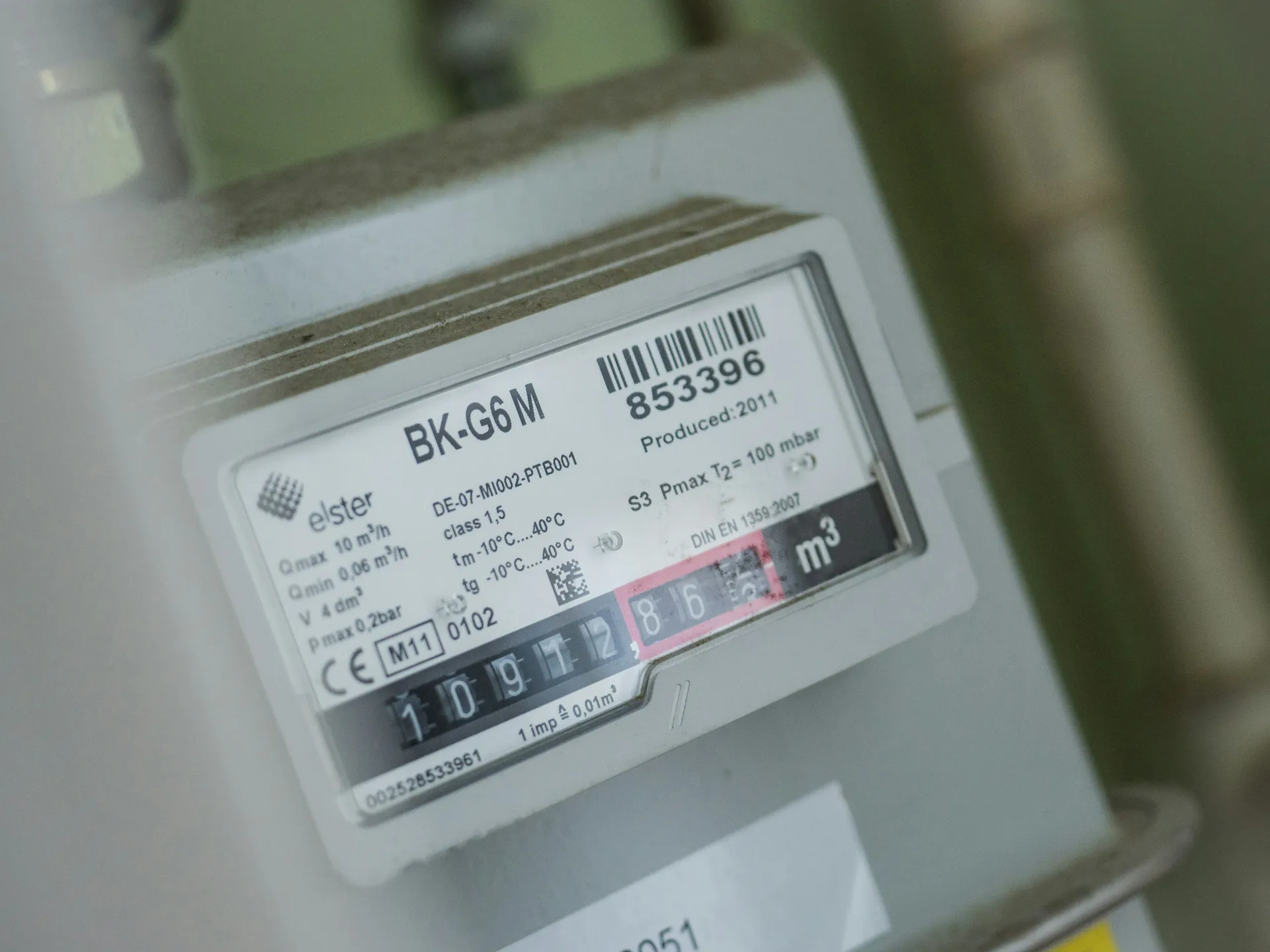
- Gas meters, domestic U6 smart meters through to commercial U16, U25, U40 and larger credit meters
- Smart meter installation for eligible new connections
- Meter upgrades and downgrades, including single-phase to three-phase and G4 to U6
- Meter alterations, relocations and replacements
- Current transformer (CT) metering for larger commercial and industrial loads
- Meter box positioning and housing to the correct specification
- MPAN and MPRN coordination with the network and meter operator
Electricity Meter Types
The right electricity meter depends on your load and how the site is settled. The key driver is the MPAN Profile Class.
| Meter type | Suited to | Notes |
|---|---|---|
| Standard whole-current | Homes, small units | Single or multi-rate, manual or smart |
| Smart (SMETS2) | Most residential and small commercial | Automatic reads, no manual submission |
| Current transformer (CT) | Larger commercial and industrial | For loads too high for a whole-current meter |
| Half-hourly (HH) | Large commercial and industrial | Profile Class 0, detailed 48-reads-a-day data |
Larger sites whose peak demand crosses regulatory thresholds are settled half-hourly, which gives detailed usage data that supports better tariffs and lower energy waste. We confirm the correct meter type against your MPAN status at the quote stage.
Gas Meter Types
Gas meter selection follows the pressure tier and demand of the connection.
| Meter | Suited to |
|---|---|
| U6 (smart eligible) | Domestic and small commercial, low pressure |
| U16 | Small to medium commercial |
| U25, U40 and larger | Larger commercial, restaurants, industrial |
Standard smart infrastructure on the gas side is generally limited to low-pressure U6 meters. Medium-pressure setups and larger U16-plus meters typically use a credit meter, and we install and coordinate these specialist and larger meters as part of the connection.
Understanding MPAN and MPRN
Two reference numbers make a metered supply work, and nothing can be billed without them:
- MPAN (Meter Point Administration Number), a 21-digit number that identifies your electricity meter point. It carries the Profile Class and Meter Time-Switch Code that tell a supplier how to price your electricity.
- MPRN (Meter Point Reference Number), the number that identifies your gas meter point, needed to arrange a gas meter and supply contract.
These numbers identify the meter point at your property and only change if the premises change, not if you switch supplier. We ensure the correct MPAN or MPRN is created and in place so your supply can go live without delay.
Who Is Involved in a Meter Installation
A metered supply pulls in more than one party, and coordinating them is where delay usually creeps in:
- Network operator (DNO / GDN / IGT), provides the connection and cut-out at the meter position
- Meter Operator (MOP), installs and maintains the electricity meter, required for half-hourly meters
- Meter Asset Manager (MAM), the equivalent for gas meters
- Energy supplier, contracts to bill for the energy once the meter is live
Air Utilities coordinates these parties so the meter goes in on time and the supply is put onto a contract at switch-on, rather than leaving you to chase each one.
Meter Upgrades, Downgrades and Alterations
Not every job is a brand-new meter. We also handle changes to existing metered supplies:
- Single-phase to three-phase upgrades for higher demand
- Capacity upgrades such as G4 to U6 or U6 to U16 on gas
- Step up to half-hourly metering where demand requires it
- Meter relocations and alterations as part of a building change or diversion
- Downgrades where a supply is larger than needed
We confirm your current MPAN or MPRN status first, because that determines what is possible and what has to happen in what order.
How Long Does a Meter Installation Take?
As a general industry guide, gas meter installation typically takes around 3 to 5 working days once a supply contract is in place and the MPRN is confirmed. Electricity meter installation on an existing, live supply commonly takes 10 to 15 working days, while a meter tied to a completely new supply line can take 6 to 12 weeks, in line with the connection itself. Larger sites needing half-hourly metering or bespoke CT metering should allow extra time, as network works and meter operator appointments can extend the process.
Our Metering Process
- 1
Confirm requirements
We take your supply type, demand and MPAN or MPRN status and confirm the right meter.
- 2
Coordinate reference numbers
We ensure the MPAN or MPRN is created and correct for the supply point.
- 3
Position and specify
We confirm a compliant meter box position and the correct meter type up front.
- 4
Install and commission
The meter is installed and commissioned by the appropriate meter operator.
- 5
Go live
The supply is put onto a contract and the connection becomes a usable, billable supply.
Frequently Asked Questions
What is the difference between an MPAN and an MPRN?
An MPAN is a 21-digit number that identifies your electricity meter point; an MPRN identifies your gas meter point. You need them to arrange a meter, set up a supply contract or switch supplier. They identify the meter point at the property and do not change when you switch supplier.
Do you install smart meters?
Yes. We install and coordinate smart meters (SMETS2) for eligible new connections, alongside standard, CT and half-hourly meters. Smart meter upgrades on eligible supplies are often fitted free by the supplier.
What is a half-hourly meter?
A half-hourly (HH) meter records electricity use every half hour, giving detailed data used to settle larger commercial and industrial supplies. Sites whose peak demand crosses regulatory thresholds are settled half-hourly, which supports more accurate, often better-value tariffs.
What is a CT meter?
A current transformer (CT) meter is used for larger commercial and industrial loads that are too high for a standard whole-current meter. We install and coordinate CT metering as part of the connection.
Can you upgrade my supply from single-phase to three-phase?
Yes. We handle single-phase to three-phase upgrades and other capacity changes, confirming your current supply status first because that determines the steps involved.
Do I need a meter and a connection from the same provider?
Not necessarily, but coordinating them together avoids the most common cause of delay: a completed connection with the wrong meter, a non-compliant position, or missing reference numbers. Because we deliver both, we get the whole sequence right.
Get a Free Quote for Your Meter Installation
Tell us your supply type, demand and reference numbers, and we will confirm the right meter and coordinate the whole installation. Standard, smart, CT and half-hourly, planned with your connection.